What Is Confined Space Rescue?
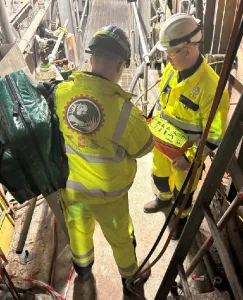
Confined space rescue involves the safe recovery of people from confined spaces or substantially enclosed spaces where access is limited and hazards are present.
These rescues are carried out by trained confined space rescue teams using specialist equipment, rescue techniques, and carefully developed rescue plans.
Confined space rescue involves:
- Operating in high-risk confined spaces
- Managing hazardous atmospheric conditions
- Using specialised rescue equipment
- Executing carefully planned rescue operations
Without proper preparation, rescue attempts can place both casualties and rescuers at serious risk.
What Makes Confined Spaces So Dangerous?
Confined spaces are not designed for continuous occupancy and often have limited access, poor ventilation, and dangerous environmental conditions.
These hazards can develop suddenly, even when routine work appears safe.
Common confined space hazards include:
- Oxygen-deficient or oxygen-deficient atmospheres
- Hazardous gases and toxic atmospheres
- Flammable gases and vapours
- Free-flowing solids that cause entrapment
- Physical hazards and restricted movement
Because of these risks, the Health and Safety Executive classifies confined space work as high risk.
Confined Space Rescue Techniques Explained
There are two primary confined space rescue techniques, chosen based on risk assessments and conditions inside the space.
Non-entry rescue is always the preferred option where possible. This method allows casualties to be retrieved using retrieval devices and communication systems without placing rescue personnel inside the confined space.
Entry rescue is required when non-entry rescue is not possible. This involves trained rescue personnel entering the space using:
- Breathing apparatus and respiratory protection
- Personal protective equipment
- Atmospheric monitoring equipment
Entry rescue requires strict adherence to safety protocols and emergency procedures. To ensure that confined space operations lead to a successful rescue, it is important for the confined space rescue teams to adhere to the safety regulations and identify any environmental hazards and safety risks involved.
Planning, Risk Assessments, and Emergency Procedures
A successful rescue starts with thorough risk assessments carried out before confined space entry begins. Detailed risk assessments identify potential risks, hazardous materials, and atmospheric dangers, forming the foundation of effective rescue plans.
Emergency arrangements must include:
- Pre-incident planning
- A trained standby person
- Clear emergency response procedures
- Immediate response capability
A proper risk assessment is not optional — it is a legal and safety requirement.
Confined Space Rescue Teams and Emergency Response
Professional confined space rescue teams are trained to operate in hazardous environments where rapid response is critical. These teams use technical expertise, specialised rescue equipment, and proven rescue procedures to deliver safe outcomes.
In serious incidents, they may work alongside emergency services, ensuring rescue operations are coordinated and effective.
Legal Duties and Workplace Safety
Confined space rescue is a legal requirement under the Confined Spaces Regulations and supported by approved codes and Health and Safety Executive guidance. Employers must ensure a safe system of work, rescue services, and emergency procedures are in place before confined space work begins.
Failure to do so can result in serious injury, enforcement action, or loss of life.
Confined Space Rescue Support from Turkington Engineering
At Turkington Engineering and Welding Services, we provide professional confined space rescue support built around safety, planning, and rapid response. From risk assessments to rescue readiness, we help organisations meet safety requirements and protect people working in high-risk environments.
Click here, call 0333 014 0223, or email info@turkington-es.co.uk and speak to our experts about confined space rescue today.